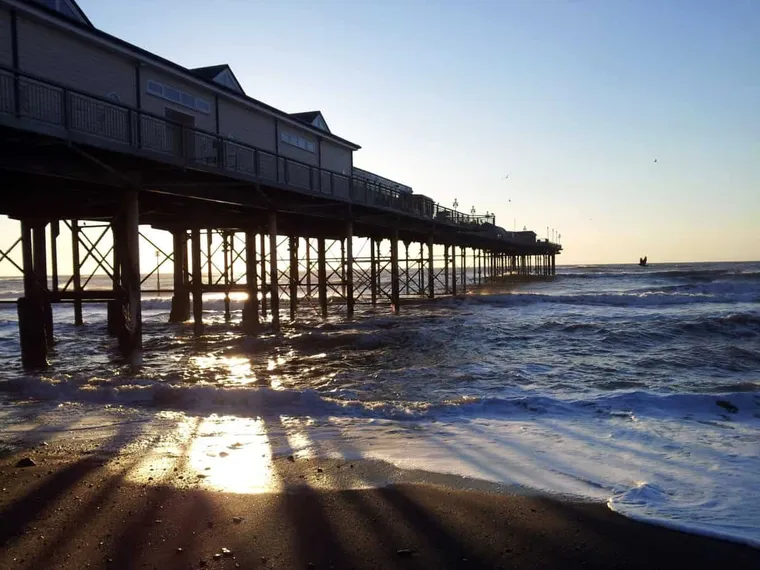
About Teignmouth in Devon
If you’re dreaming of a proper British seaside holiday – the kind with bucket-and-spade beaches, Victorian piers, fish and chips on the prom, and that unmistakable salty air – then Teignmouth in South Devon should be at the top of your list.
Tucked where the River Teign spills into the English Channel, this charming coastal town offers everything UK holidaymakers love: golden (well, reddish) sands, gentle waves, historic streets, and easy access to Devon’s rolling countryside. It’s less crowded than Torquay or Paignton, yet packed with character, making it perfect for families, couples, or anyone seeking a relaxing break without venturing abroad.
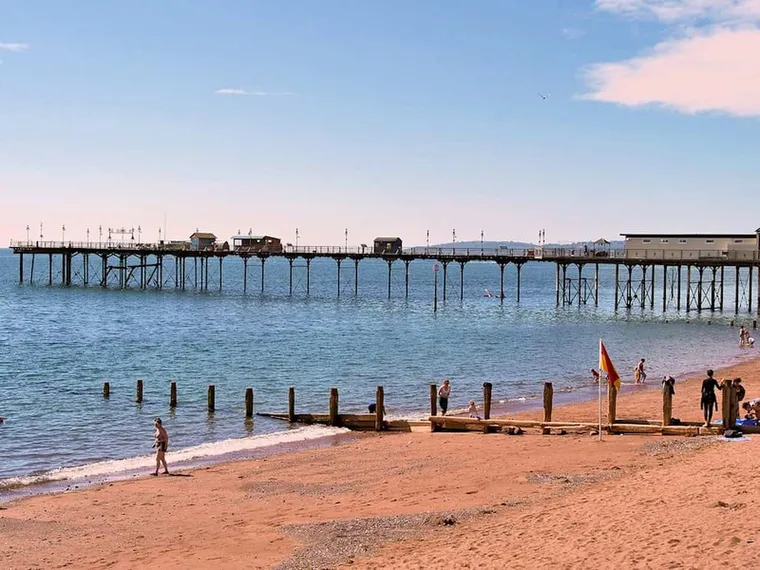
Teignmouth has been welcoming visitors for centuries, evolving from a bustling port to one of Devon’s oldest seaside resorts. Today, it retains that quintessential British charm – think colourful beach huts, arcade games, and stunning views across the estuary to the pretty village of Shaldon. Whether you’re after lazy beach days, scenic walks, or a dive into local history, Teignmouth delivers. And with the South Devon Railway line running right along the seafront, even the journey here feels like part of the adventure.
A Rich Tapestry of History
Teignmouth’s story stretches back over a thousand years, blending maritime adventure, resilience, and reinvention. The town’s name first appears in records from 1044 as “Tengemuða”, meaning “mouth of the stream”, referring to the River Teign’s estuary. By the Middle Ages, it had grown into a significant port – second only to Dartmouth in Devon – exporting wool and importing wine. In 1347, Teignmouth even contributed seven ships and 120 men to Edward III’s siege of Calais, underscoring its importance.
But life wasn’t always peaceful. The town suffered devastating raids: Danish Vikings in the 10th century, and French forces in 1340 and again in 1690, when much of it was burned during religious and political unrest. These attacks left scars, but Teignmouth bounced back each time.
From the 16th century, the port thrived on the Newfoundland cod trade. Ships sailed across the Atlantic each spring, returning laden with salted fish that fed much of Britain. Ball clay – a rare, fine clay used in ceramics – was another key export, still shipped from Teignmouth’s working docks today, one of the last places in the UK to do so.
The town’s transformation into a holiday destination began in Georgian times. Wealthy visitors flocked here for sea bathing, drawn by the mild climate and sheltered position. Elegant townhouses sprang up along the seafront, many still standing with their pastel facades and wrought-iron balconies. The arrival of the railway in 1846 – engineered by Isambard Kingdom Brunel – sealed its popularity, making it accessible to day-trippers from Exeter and beyond. By Victorian times, Teignmouth was Devon’s second-most fashionable resort.
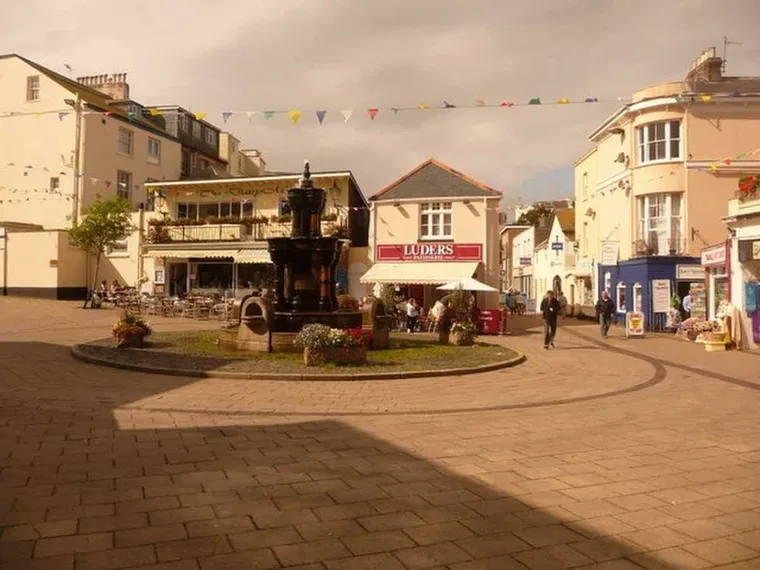
The 20th century brought challenges: bombing during World War II (American troops trained here for D-Day) and the decline of traditional industries. Yet the town adapted, preserving its heritage while embracing tourism. Today, you’ll spot reminders everywhere – from the red sandstone cliffs to the historic lighthouse guarding the estuary.
For a deeper dive, visit the Teign Heritage Centre on French Street. This award-winning museum tells Teignmouth’s story through exhibits on smuggling, shipwrecks, the Newfoundland trade, and famous residents like Donald Crowhurst, the ill-fated yachtsman. It’s a fascinating spot for all ages, with interactive displays and local artefacts.
Teignmouth shines brightest when it comes to classic seaside fun and outdoor adventures. Here’s how to make the most of your stay.
Beaches and Seafront Strolls
The star attraction is Teignmouth Town Beach – a long sweep of reddish sand (thanks to those distinctive cliffs) stretching east towards Dawlish. It’s gently sloping, ideal for families, with lifeguards in summer and plenty of space for sandcastles, paddling, or simply lounging with an ice cream. Dogs are welcome off-season, and there’s free summer entertainment like punch-and-judy shows.
Across the estuary lies the River Beach (or Back Beach), a quieter shingle spot beside the working port. Watch fishing boats unload the day’s catch or spot seals bobbing in the water. The promenade links both, perfect for evening walks with views of the lighthouse and Brunel’s railway hugging the coastline.
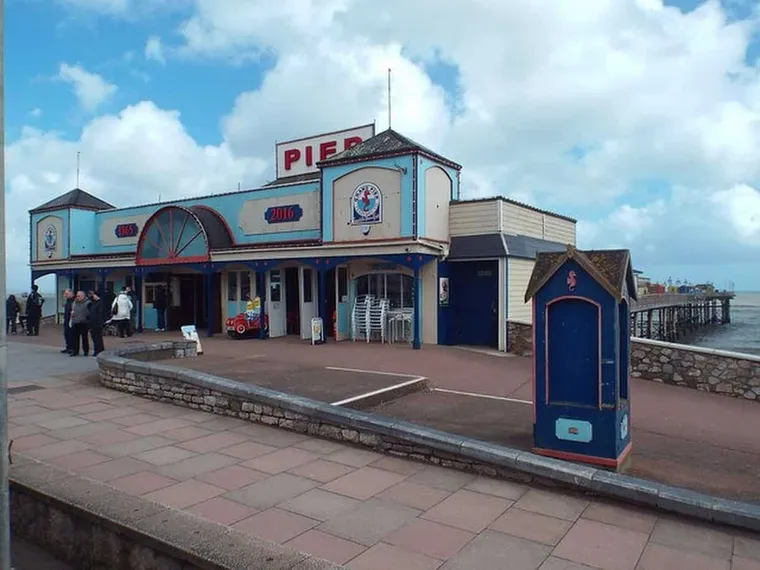
No seaside trip is complete without the Grand Pier. Built in 1865, this Victorian icon stretches 700 feet into the sea, packed with amusements: arcade games, slot machines, ten-pin bowling, and a soft-play area for little ones. Grab candy floss or doughnuts and enjoy panoramic views – it’s pure nostalgia.
For swimmers, the heated open-air Teignmouth Lido offers saltwater pools with stunning sea views. Open from May to September, it’s a refreshing alternative on hotter days.
Exploring Shaldon and Beyond
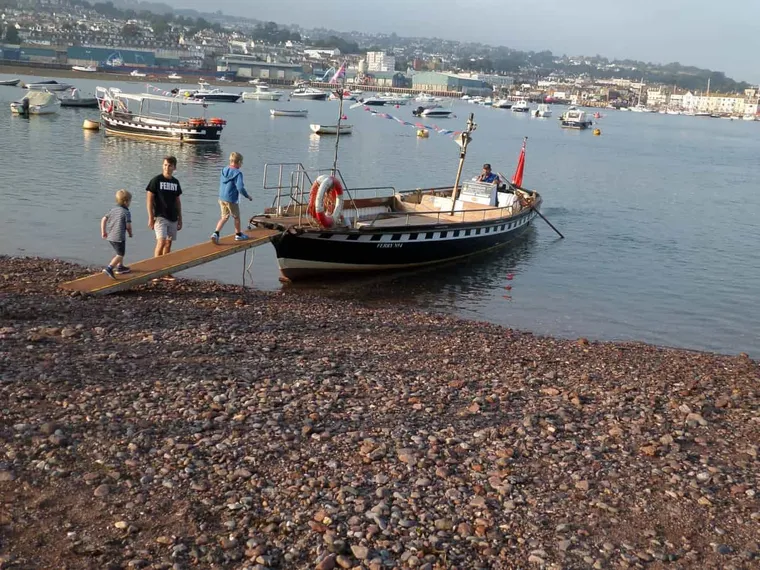
Hop on Britain’s oldest passenger ferry (running since 1296!) for the short crossing to Shaldon village. This picturesque spot boasts thatched cottages, a botanical garden, and the Ness – a dramatic headland with a smugglers’ tunnel carved through red cliffs to a secluded beach. Climb to the top for breathtaking views, or relax at the Ness House Hotel pub with a pint overlooking the sea.
Teignmouth sits on the South West Coast Path, offering spectacular walks. Head east along the sea wall to Dawlish (about 3 miles), where the railway famously runs through tunnels and along red cliffs – a route beloved by trainspotters. Or walk the Templer Way, an 18-mile trail tracing historic granite transport from Dartmoor to the docks.
Nearby attractions include Dawlish Warren Nature Reserve (great for birdwatching and a blue-flag beach) and easy drives to Dartmoor National Park for wild ponies and tors.